Precision Engineered.
Multi-Modal Aerial
Detection.
Three sensing modalities in one system — passive acoustic arrays, AI-powered visual classification, and electromagnetic monitoring — delivering sub-2-second aerial object detection with zero RF emissions.
Early detection
is the most
cost-effective approach.
Detection in three steps.
Under 2 seconds.
Acoustic Detection
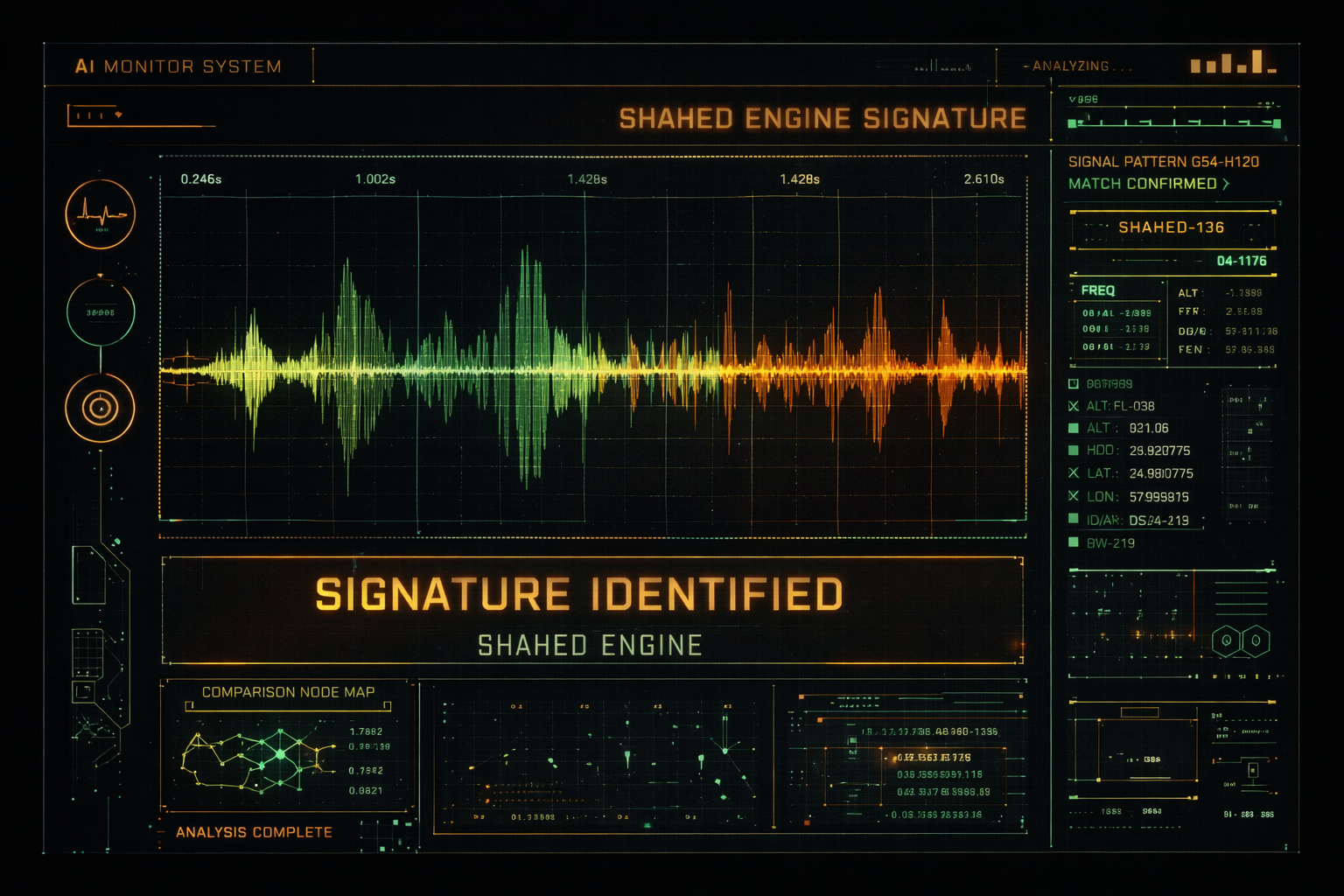
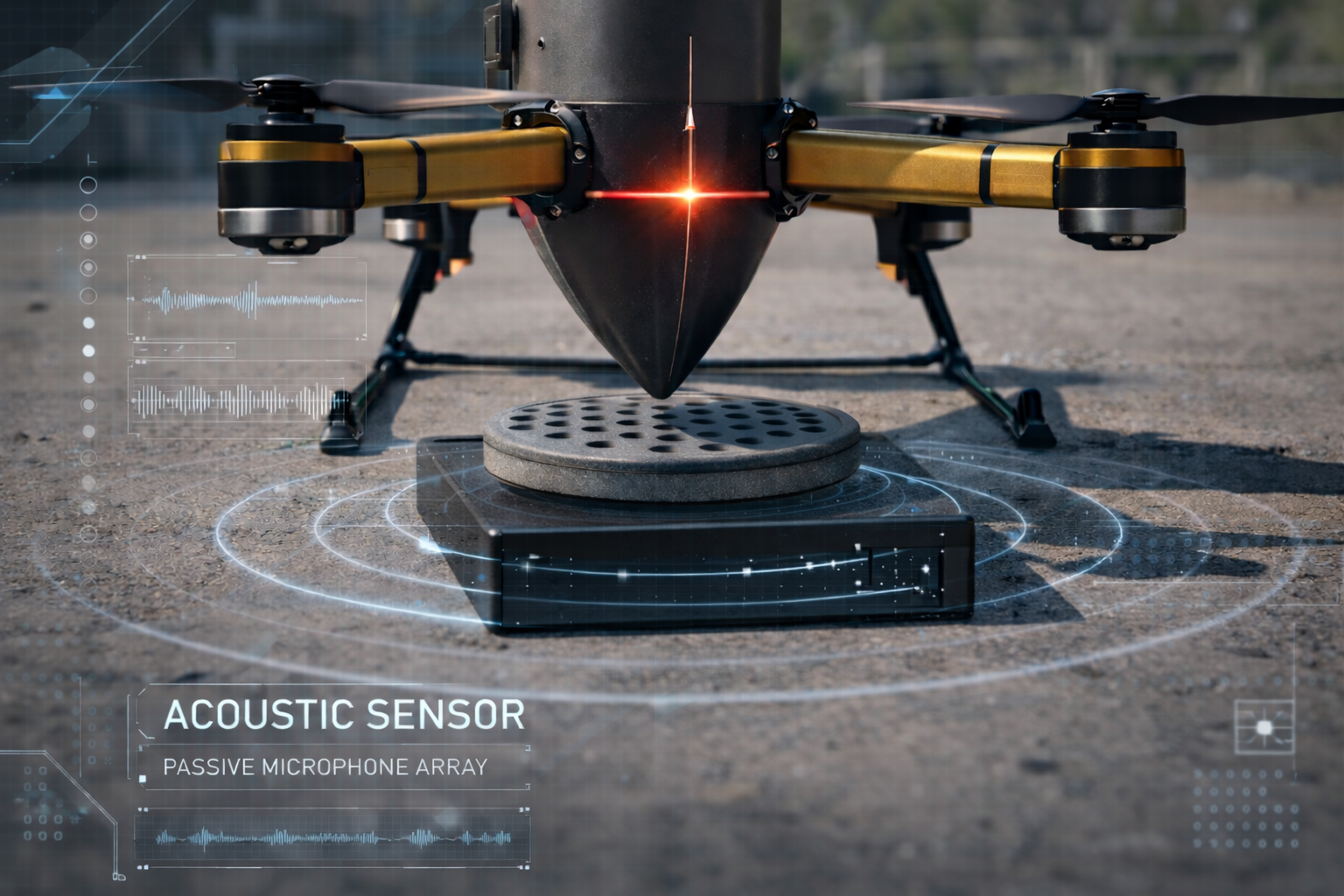
A distributed array of passive microphones continuously monitors the acoustic environment. No radar. No RF emissions. No electronic signature. Low-altitude fixed-wing drones produce a distinct acoustic fingerprint detectable at up to 5 km in open terrain.
AI Classification
Raw audio is streamed to an on-edge inference engine trained on low-altitude drone and aerial object signatures. The classifier outputs object type, bearing, elevation, and confidence score. False-positive rate below 0.1% in field conditions.
Operator Alert
Bearing, elevation, range, and object classification are instantly relayed to the operator interface. Configurable alert thresholds and multi-channel notification ensure the right people are informed within seconds of detection.
The sensor that
cannot be disrupted.
Radar-based detection relies on electromagnetic emissions that can be identified or spoofed. Passive acoustic sensing emits nothing — it only listens. Combined with visual AI and electromagnetic monitoring, Peregrine achieves multi-modal coverage that no single sensor can replicate.
Low-altitude fixed-wing drones produce characteristic acoustic signatures. Peregrine's multi-array passive sensor triangulates bearing and elevation using time-difference-of-arrival (TDOA) across a deployable sensor grid. Electromagnetic passivity ensures the system itself has zero detectable emission profile.
Uncompromising quality.
Built for the field.
Acoustic Detection System
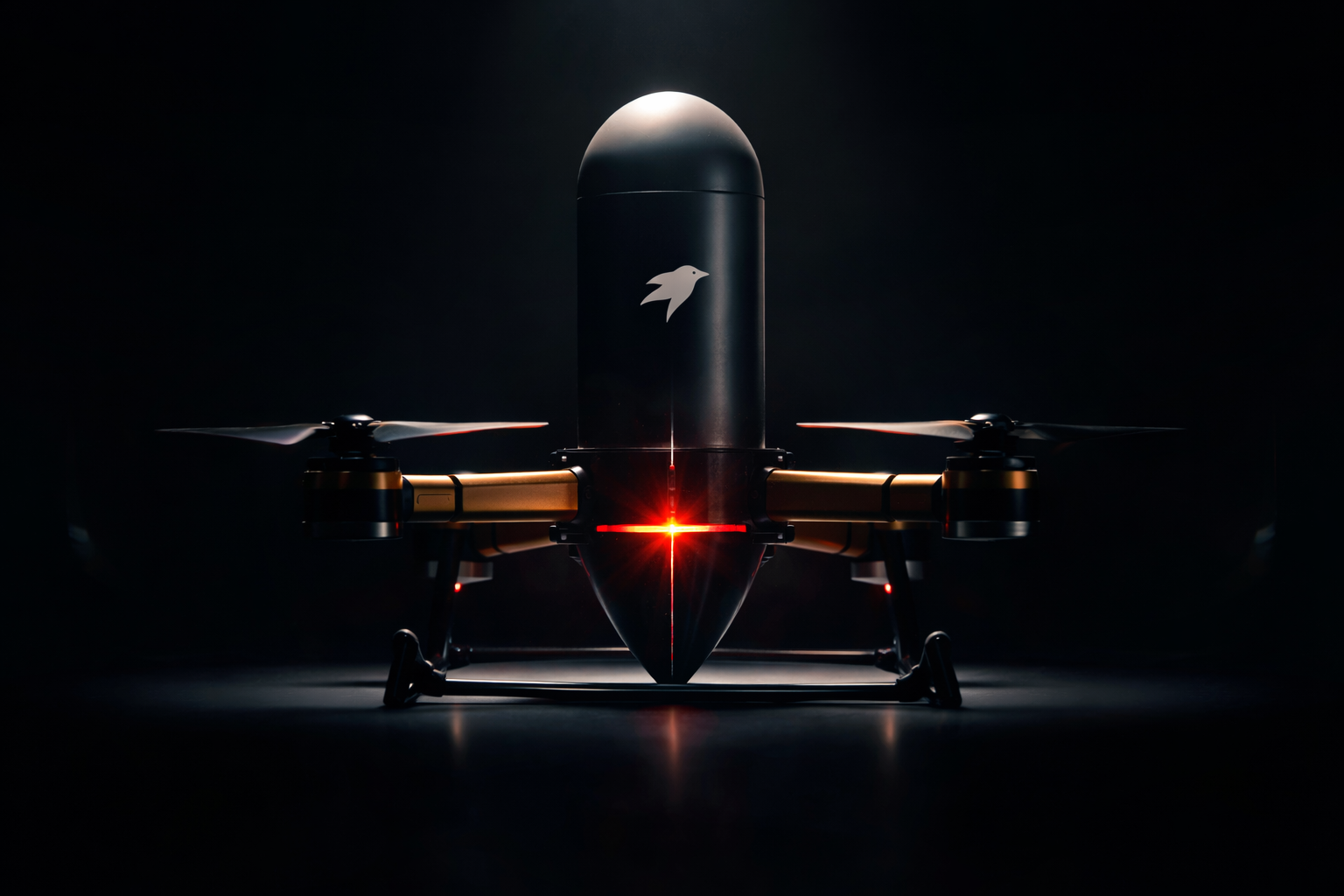
Peregrine Aerial Scout Platform
Best-in-class detection.
Zero emissions.
Request a Presentation.
Available to research institutions, technology partners, and operators interested in multi-modal aerial object detection. We welcome exploratory conversations, research collaborations, and technical demonstrations. All enquiries are treated in confidence.